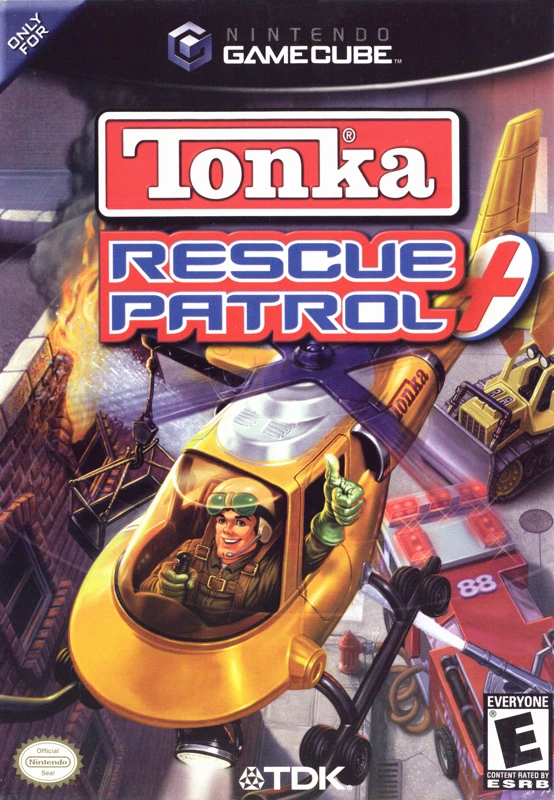
Tonka: Rescue Patrol
Tonka: Rescue Patrol is a child-friendly vehicle action-a...

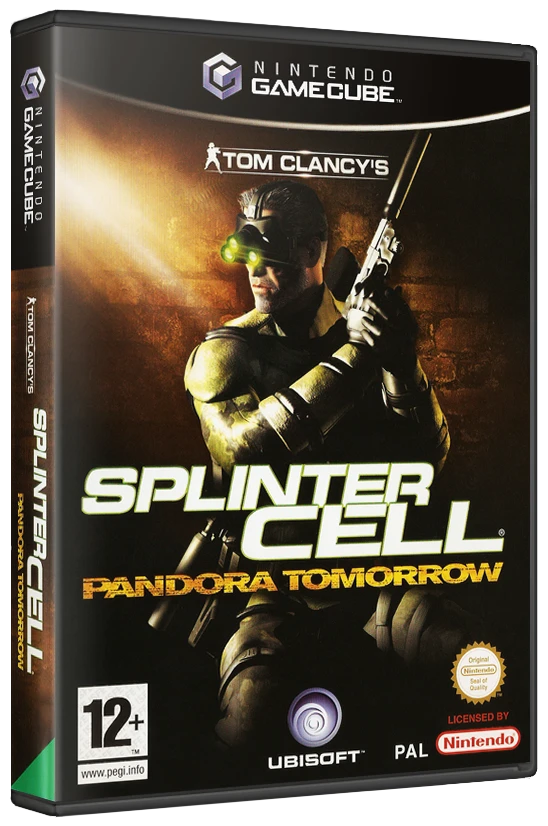
Tom Clancy's Splinter Cell: Pandora Tomorrow builds directly upon the tactical stealth foundations established by its predecessor, refining lighting mechanics, enemy artificial intelligence, and movement fluidities for the Nintendo GameCube. The narrative focuses on "Pandora Tomorrow"—a biological weapon scheme where viral smallpox canisters are hidden across the United States, set to detonate if Sadono is killed.
Gameplay centers on remaining unseen in the shadows, utilizing silent movement, dynamic light disruption, and stealth maneuvers to infiltrate heavily guarded locations:
Stealth Infiltration: Hide in pitch-black shadows, shoot out light sources, and utilize vision modes (Night Vision and Thermal Vision) to navigate dark environments and track enemy heat signatures.
Covert Traversal & Moves: Execute whistle distractions, half-split jumps in narrow corridors, SWAT turns across open doorways, and ledge hangs to bypass guards silently.
High-Tech Ordnance: Utilize Sam Fisher's trademark SC-20K assault rifle and Five Seven pistol equipped with sticky cameras, ring air rounds, sticky shockers, and smoke grenades.
The single-player campaign takes players to diverse international locales, including Indonesian rain forests, a high-speed train in France, a frozen submarine bay in Komodo, and a heavily guarded embassy in East Timor.
Game Title: Tom Clancy's Splinter Cell: Pandora Tomorrow
Platform: Nintendo GameCube
Developer: Ubisoft Shanghai / Ubisoft Milan
Publisher: Ubisoft
Release Date: July 20, 2004 (North America)
Genre: Stealth / Action / Tactical
Game Modes: Single-player
ESRB Rating: T (Teen)
Refined Shadow & Light Mechanics: Utilize dynamic lighting, shoot out light sources, and blend into shadows to avoid detection by guards and security cameras.
Expanded Infiltration Moves: Master new physical techniques including the SWAT turn across doorways, half-split jump variations, and whistle lures.
Advanced Vision Goggles: Switch seamlessly between Night Vision and Thermal Vision to track laser grids, body heat, and hidden pathing in total darkness.
Global Covert Operations: Infiltrate atmospheric environments spanning Indonesian jungles, moving passenger trains, frozen military bases, and diplomatic embassies.
Non-Lethal & Lethal Gadgetry: Deploy sticky cameras to scout rooms, deliver non-lethal gas or electrical shocks, or utilize silent headshots to eliminate threats cleanly.
Players control Sam Fisher, a highly trained covert operative working for Third Echelon, a secret black-ops division of the National Security Agency (NSA).
Pandora Tomorrow introduced the SWAT turn (allowing Sam to move quickly between cover points across doorways without being spotted), half-split jumps in narrow hallways, and the ability to whistle to lure guards toward your position.
No, while other platform releases introduced the innovative Spies vs. Mercenaries multiplayer mode, the Nintendo GameCube version of Pandora Tomorrow focuses exclusively on the single-player campaign experience.
Click the links below to go to the cloud drive download page
⚠️ Download Tips:
Tonka: Rescue Patrol is a child-friendly vehicle action-a...
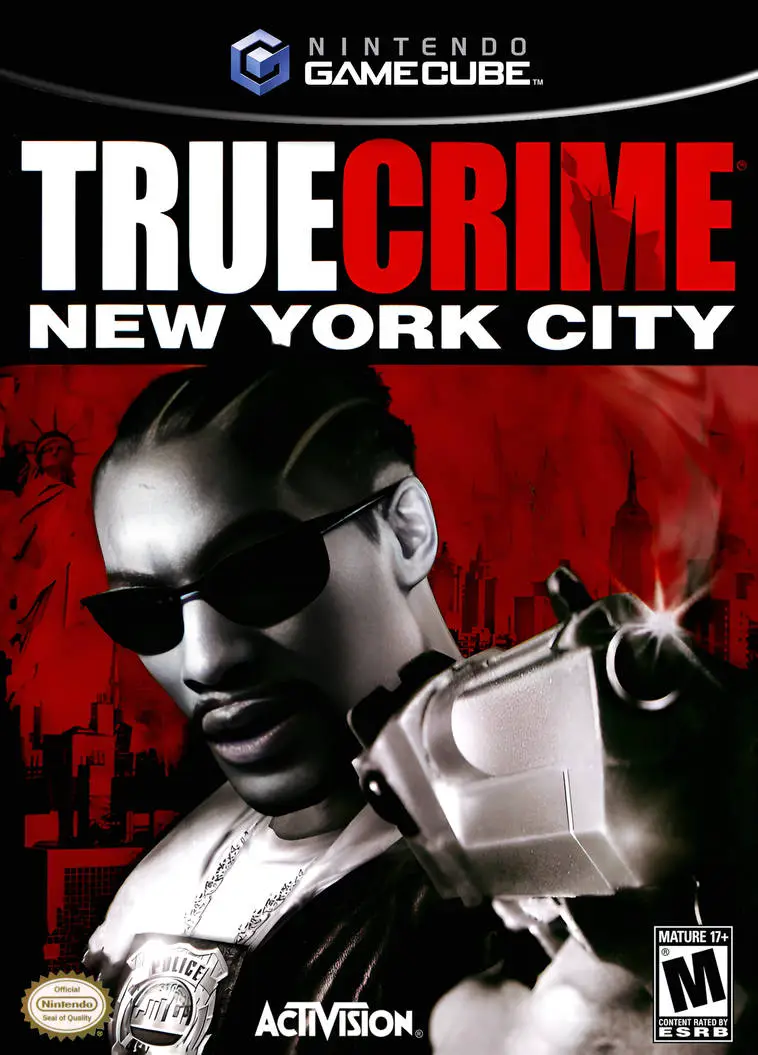
True Crime: New York City is an open-world action-adventu...
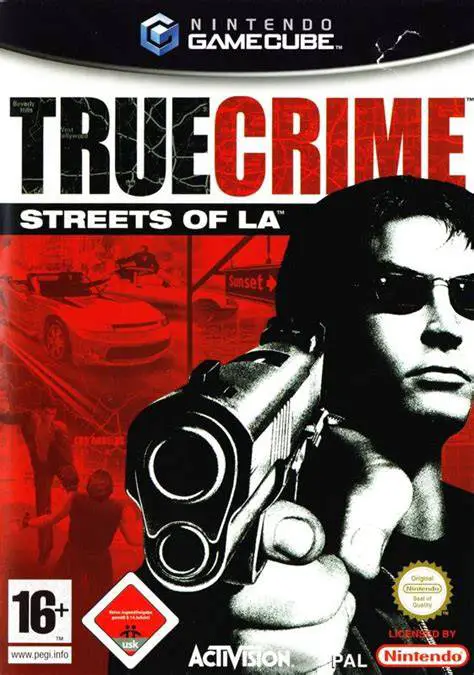
True Crime: Streets of LA is an open-world action-adventu...
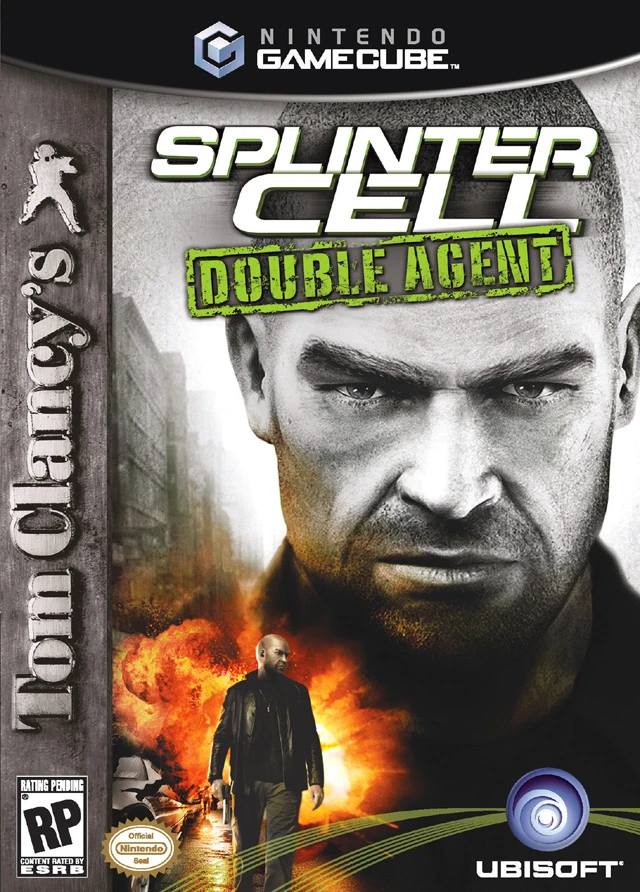
Tom Clancy's Splinter Cell: Double Agent is a tactical st...
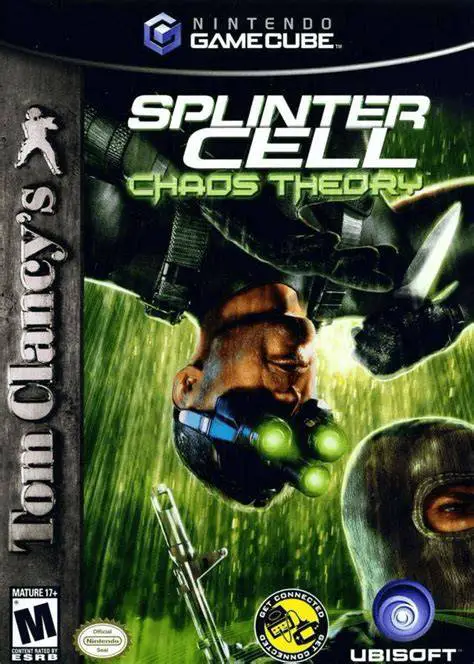
Tom Clancy's Splinter Cell: Chaos Theory is a critically ...